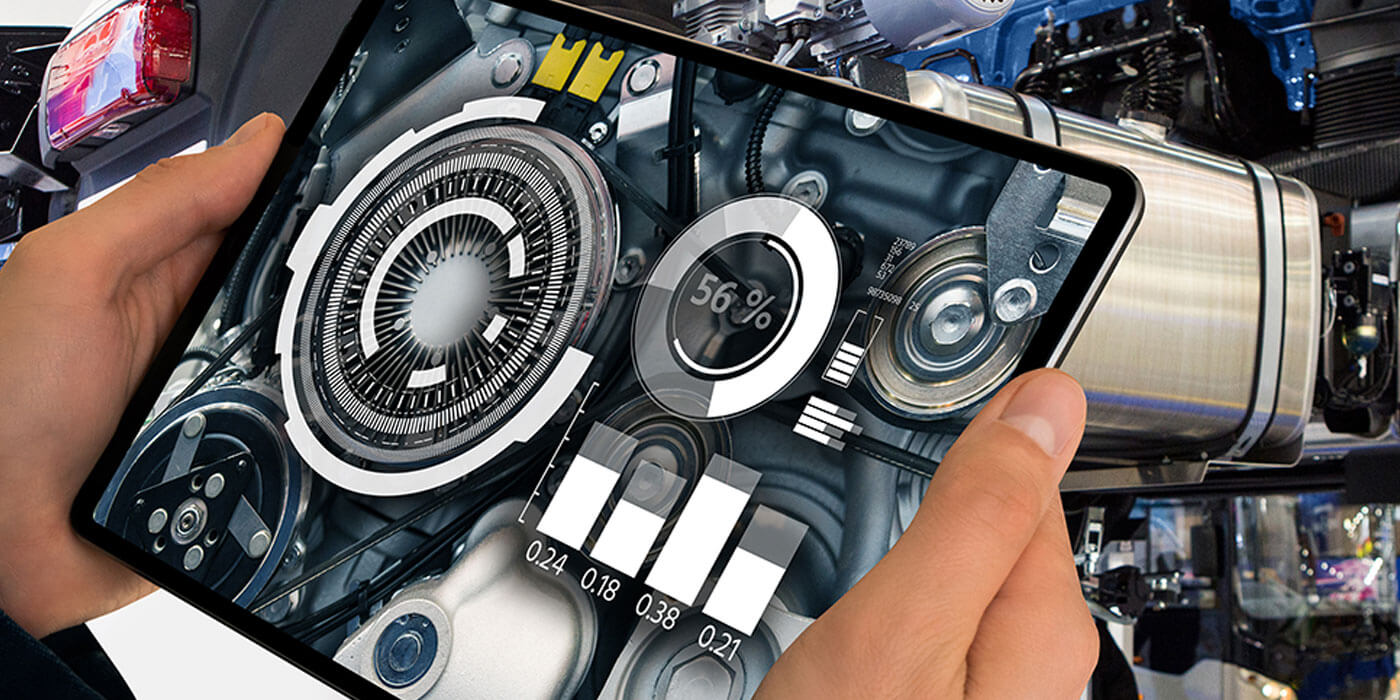
Heavy-duty truck repair has changed significantly as commercial vehicles have become more technologically advanced. Modern trucks now depend on electronic control modules, sensors, emissions systems, telematics and interconnected components that continuously monitor vehicle performance. As a result, diagnosing a problem is no longer limited to inspecting mechanical parts or listening for unusual engine sounds.
Today’s technicians increasingly rely on advanced diagnostic systems to identify faults, analyse real-time vehicle data and determine the root cause of performance problems. These technologies are helping repair shops and fleet operators reduce downtime, avoid unnecessary parts replacement and improve maintenance planning.
From Mechanical Troubleshooting to Data-Driven Diagnosis
Traditional truck repair depended heavily on a technician’s mechanical knowledge and physical inspection. Those skills remain essential, but they are now supported by large amounts of electronic information.
A modern heavy-duty truck may contain multiple electronic control units responsible for systems such as the engine, transmission, braking, emissions, fuel delivery and driver assistance technology. When one of these systems detects abnormal behaviour, it may record a diagnostic trouble code.
Technicians can use professional diagnostic equipment to access these codes and review additional information about the vehicle’s operating condition.
This gives repair teams a much stronger starting point than simply replacing components based on symptoms.
However, a trouble code does not always identify the failed component directly. It usually indicates where the vehicle has detected an abnormal condition. Skilled technicians must still interpret the information and perform additional testing before deciding what needs to be repaired.
Access to Better Technical Information
Advanced diagnostics become more valuable when technicians can combine electronic data with reliable technical information.
Industry publications such as Heavy Duty Journal regularly cover the diagnostic technologies and maintenance practices shaping modern commercial truck repair.
Professional technicians also use manufacturer service manuals, wiring diagrams, technical service bulletins and repair databases to understand how specific systems are designed to operate.
Having access to accurate information is especially important because modern truck systems are highly interconnected. A problem in one component can sometimes create symptoms elsewhere in the vehicle.
For example, an electrical issue may appear to be a sensor failure, while an emissions fault may actually result from an underlying engine performance problem.
Technical information helps technicians investigate these possibilities systematically.
Real-Time Vehicle Data
One of the most powerful capabilities of modern diagnostic equipment is access to live data.
Instead of only seeing a stored fault code, technicians can monitor how different vehicle systems are behaving while the engine is running.
Depending on the truck, diagnostic systems may display information such as:
- Engine temperature
- Fuel pressure
- Exhaust temperature
- Turbocharger performance
- Battery voltage
- Sensor readings
- Transmission behaviour
- Diesel particulate filter status
- Engine load
- Aftertreatment system performance
This allows technicians to compare actual operating conditions with expected values.
Live data can be particularly useful when a problem only appears under certain conditions. A truck may operate normally in the workshop but develop an issue while climbing a hill, carrying a heavy load or operating at highway speed.
Monitoring vehicle data during testing can help identify what changes when the fault occurs.
Remote Diagnostics and Telematics
Telematics systems are also changing the way heavy-duty vehicle problems are identified.
Connected trucks can transmit information about fault codes, vehicle performance and operating conditions to fleet managers or maintenance departments.
This means some problems can be identified before the truck even reaches the repair shop.
For example, if a vehicle generates an important engine or emissions fault while travelling, the maintenance team may receive an alert immediately. They can review the available information and decide whether the driver should continue operating the vehicle, visit a nearby repair facility or return to the fleet workshop.
Remote diagnostics can reduce uncertainty during roadside problems and help maintenance teams prepare for repairs before the vehicle arrives.
If technicians already know which system requires attention, they may be able to arrange the necessary parts and equipment in advance.
Faster Fault Identification
One of the biggest benefits of advanced diagnostics is the potential to reduce diagnostic time.
Without accurate information, technicians may spend hours inspecting multiple components before identifying the actual cause of a problem.
Diagnostic software can narrow the investigation considerably.
For example, a performance problem may involve the fuel system, turbocharger, emissions equipment or electronic controls. Reviewing fault history and live data can help the technician determine which systems are behaving abnormally.
Faster diagnosis matters because truck downtime can be expensive.
A commercial vehicle that remains in the workshop is not generating revenue. It may also disrupt delivery schedules, create additional driver costs or require a replacement vehicle.
Reducing diagnostic time can therefore improve both maintenance efficiency and fleet productivity.
Avoiding Unnecessary Parts Replacement
Incorrect diagnosis often leads to parts being replaced even though they were not responsible for the problem.
This approach can increase repair costs without resolving the original issue.
Advanced diagnostics allows technicians to test components more carefully before replacement.
For example, if a fault code relates to a sensor, the technician can often compare the sensor reading with other vehicle data. Wiring, connectors and voltage may also be tested to determine whether the sensor itself has actually failed.
This helps repair shops move away from a “replace and see what happens” approach.
Accurate diagnosis becomes especially important when dealing with expensive components such as electronic control modules, turbochargers, emissions equipment and automated transmission systems.
Advanced Emissions Diagnostics
Modern diesel emissions systems are among the most complex areas of heavy-duty truck repair.
Technicians may need to diagnose diesel particulate filters, selective catalytic reduction systems, exhaust gas recirculation components, sensors and diesel exhaust fluid systems.
A fault in one part of the system can sometimes affect several other components.
Diagnostic equipment helps technicians review temperatures, pressures, sensor readings and regeneration history.
This information can help determine whether a blocked filter is the actual problem or simply the result of another engine or emissions issue.
Proper diagnosis is important because repeatedly cleaning or replacing emissions components without addressing the underlying cause may only provide a temporary solution.
Predictive Maintenance
Advanced vehicle data is also supporting the growth of predictive maintenance.
Traditional preventive maintenance usually follows fixed intervals based on mileage, time or engine hours.
Predictive maintenance uses vehicle condition data to identify signs that a component may be deteriorating before it fails.
For example, changes in temperature, pressure, vibration or operating performance may indicate that a component is becoming less reliable.
Fleet managers can use this information to schedule repairs before a roadside breakdown occurs.
Predictive maintenance does not eliminate regular inspections and scheduled servicing, but it can make maintenance planning more precise.
Instead of treating every vehicle exactly the same, fleets can make decisions based on the actual condition and operating history of individual trucks.
Diagnostic History and Maintenance Records
Stored diagnostic information becomes even more useful when combined with complete maintenance records.
A single fault may appear minor, but repeated occurrences could reveal a larger pattern.
Maintenance software can help technicians review previous repairs, recurring fault codes and component replacements.
If the same issue continues to appear, the technician may investigate whether the original repair addressed the root cause.
Historical information can also help fleet managers identify vehicles that consistently require more maintenance than others.
Over time, this data can influence purchasing and replacement decisions.
Technician Skills Still Matter
Advanced diagnostic systems do not replace experienced technicians.
In fact, greater access to data makes proper technical knowledge even more important.
A diagnostic scan may identify a fault code, but someone still has to understand what the information means.
Technicians need knowledge of electrical systems, mechanical operation, emissions technology and troubleshooting procedures.
They must also know when diagnostic information may be misleading.
For example, a sensor reading may be incorrect because of damaged wiring rather than a defective sensor.
Training is therefore becoming increasingly important in heavy-duty truck repair.
As vehicles become more sophisticated, technicians must continue learning about electronic controls, communication networks, diagnostic software and new powertrain technologies.
Better Communication Between Fleets and Repair Shops
Diagnostic technology can also improve communication between fleet managers and service providers.
When a repair shop can provide detailed information about fault codes, system tests and vehicle data, fleet managers gain a clearer understanding of why a repair is necessary.
This can make repair approvals easier and reduce disagreements about recommended work.
Detailed diagnostic reports can also become part of the vehicle’s maintenance history.
Future technicians can review this information if the same problem returns.
The Future of Heavy-Duty Diagnostics
Diagnostic technology is likely to become even more integrated with commercial vehicles.
Connected fleet platforms, remote software updates, predictive analytics and artificial intelligence may allow maintenance systems to identify potential problems earlier.
Electric and alternative-fuel trucks will also introduce new diagnostic requirements.
Technicians may increasingly work with battery systems, high-voltage components, electric motors and advanced thermal management systems alongside traditional diesel technology.
Despite these changes, the basic goal of diagnostics will remain the same: identify the actual cause of a problem as accurately and efficiently as possible.
Final Thoughts
Advanced diagnostics are transforming heavy-duty truck repair from a largely reactive process into a more data-driven maintenance strategy.
Technicians can now combine fault codes, real-time vehicle data, maintenance history, telematics and manufacturer information to make better repair decisions.
For fleet operators, the benefits can include faster repairs, fewer unnecessary parts replacements, reduced downtime and improved maintenance planning.
Technology alone, however, is not enough. The best results come when advanced diagnostic tools are combined with skilled technicians, reliable technical information and disciplined troubleshooting procedures.
As commercial trucks continue to become more sophisticated, diagnostic capability will play an increasingly important role in keeping fleets safe, reliable and productive.
