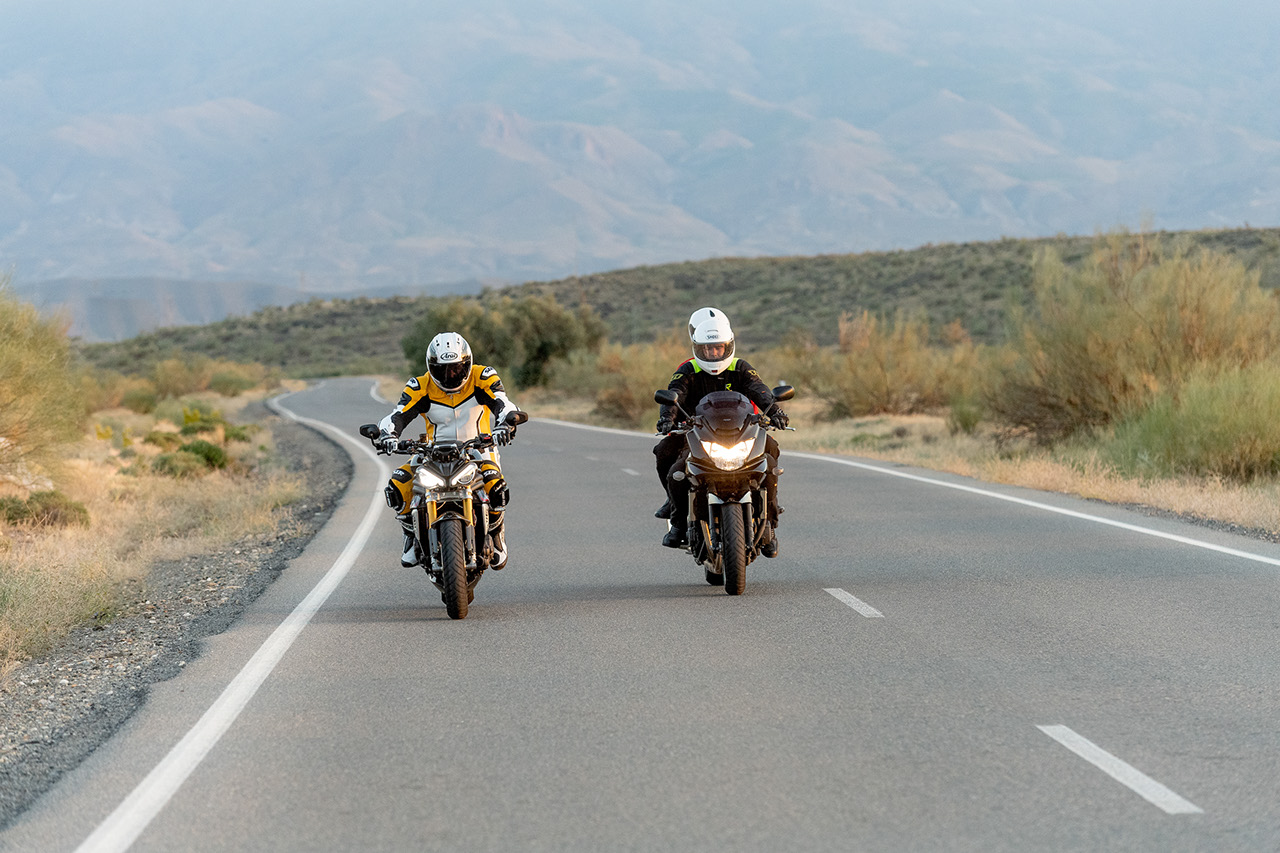
A hill station ride can feel completely different from riding on city roads. One moment you are cruising through smooth bends, and the next you are dealing with sharp corners, loose gravel, damp patches, and sudden elevation changes. Many riders focus on engine performance and braking before a mountain trip.
Yet, the tyre tread beneath your bike often plays a bigger role than expected. Tyre tread affects grip, stability, water evacuation, and rider confidence. If you are planning your next hill ride, knowing how tread patterns work can help you stay safer and enjoy every kilometre.
Why Mountain Roads Demand More From Your Tyres
Hill roads present challenges that are rarely found during daily commutes. Surface conditions can change within minutes. A dry stretch may suddenly lead to a damp corner hidden under tree cover.
Your tyre tread works as the first line of contact between the motorcycle and the road. The pattern carved into the tyre helps maintain grip by managing water, loose debris, and uneven surfaces.
For riders comparing options based on motorcycle tyre price, tread design deserves equal attention. A tyre that matches mountain riding conditions can make a noticeable difference during long climbs and descents.
How Tyre Tread Works on Hill Roads
Tyre tread consists of grooves and blocks designed to channel water and maintain road contact. On mountain roads, this function becomes even more important.
When your motorcycle leans into a corner, the tread helps:
- Maintain traction during turns.
- Push water away from the contact patch.
- Improve braking performance.
- Enhance stability on uneven surfaces.
- Reduce the risk of slipping on loose gravel.
Without adequate tread depth, tyres may struggle to maintain grip on changing road conditions.
The Connection Between Grip and Tread Depth
Tread depth directly affects how effectively a tyre interacts with the road.
| Tread Condition | Impact on Mountain Riding |
| Healthy tread depth | Better grip and water evacuation |
| Moderately worn tread | Reduced cornering confidence |
| Severely worn tread | Higher risk of skidding on wet surfaces |
| Uneven tread wear | Unstable handling during turns |
Many riders only inspect tyres before long trips. Regular checks can help identify wear before it affects riding performance.
Different Mountain Conditions and Tread Performance
No two hill station routes are exactly alike. Weather, traffic, and road maintenance can significantly change riding conditions.
Wet Roads and Misty Conditions
Hill stations often experience fog, light rain, and moisture-covered roads.
Tyres with effective tread channels help move water away from the contact area. This allows the rubber to maintain better contact with the road surface.
When riding through mist-covered bends, smooth throttle inputs and proper tyre grip work together to improve control.
Gravel and Broken Road Sections
Many mountain routes feature stretches of loose stones or damaged surfaces.
A well-designed tread pattern helps tyres bite into the surface more effectively. This improves stability and reduces unwanted movement while cornering.
Sharp Hairpin Bends
Hairpin turns demand precision and confidence.
The tread pattern supports traction when the bike leans through tight corners. Riders often notice the difference between a fresh tyre and a worn one during repeated switchbacks.
Signs Your Tyres May Not Be Ready for a Hill Ride
Mountain roads can expose tyre issues that may go unnoticed during city riding. Before heading out, watch for:
- Low tread depth.
- Cracks on the tyre surface.
- Uneven wear patterns.
- Frequent loss of grip during turns.
- Increased stopping distance.
- Vibration while cornering.
If you notice any of these signs, replacing the tyre before the trip is often the safer choice.
While researching options, many riders compare specifications alongside motorcycle tyre prices. Balancing value and performance can help you choose a tyre suited to your riding style.
Choosing the Right Tread Pattern for Mountain Riding
Different tread designs are built for different riding environments.
| Riding Condition | Suitable Tread Characteristics |
| Wet mountain roads | Deep grooves for water evacuation |
| Mixed road surfaces | Balanced tread blocks and channels |
| Occasional gravel sections | Strong shoulder grip and traction |
| Long touring rides | Even wear and stable road contact |
The right tread pattern depends on how and how often you ride through hilly terrain.
Tyre Size Matters Too
Along with tread design, tyre size affects handling characteristics.
For many performance-oriented motorcycles, a 150 60 R17 tyre provides a balance between grip, stability, and cornering confidence. Riders who frequently tackle winding roads often prefer tyre sizes that support predictable handling through bends.
Always choose the tyre size recommended for your motorcycle model.
Riding Habits That Help Your Tyres Perform Better
Even the best tyre tread cannot compensate for poor riding habits. To get the most from your tyres on mountain roads:
- Maintain recommended tyre pressure.
- Avoid sudden braking before corners.
- Use smooth throttle inputs.
- Reduce speed on wet surfaces.
- Check tyres before every long ride.
- Inspect tread wear regularly.
These habits not only improve safety but also help extend tyre life.
Why Tyre Tread Influences Rider Confidence
Confidence on mountain roads comes from knowing your motorcycle will respond predictably. When tyres maintain strong road contact, riders can focus more on the ride and less on the potential loss of grip. Good tread performance helps during braking, cornering, and changing weather conditions.
This becomes particularly important during long rides that pass through multiple terrain types in a single day.
For riders comparing premium options, factors such as tread design, durability, and motorcycle tyre price should all be considered together rather than separately. Many sport-touring motorcycles equipped with a 150 60 R17 tyre benefit from tread patterns designed to handle both everyday commuting and weekend mountain rides.
Final Thoughts: Don’t Let Worn Tread Hold You Back on Mountain Roads
A hill station ride can challenge your motorcycle with sharp bends, changing weather, and uneven surfaces. In these conditions, tyre tread plays a major role in grip, stability, and confidence.
Before your next ride, give your tyres a quick inspection. A healthy tread pattern can help you tackle mountain roads with greater control and enjoy every turn along the way.
