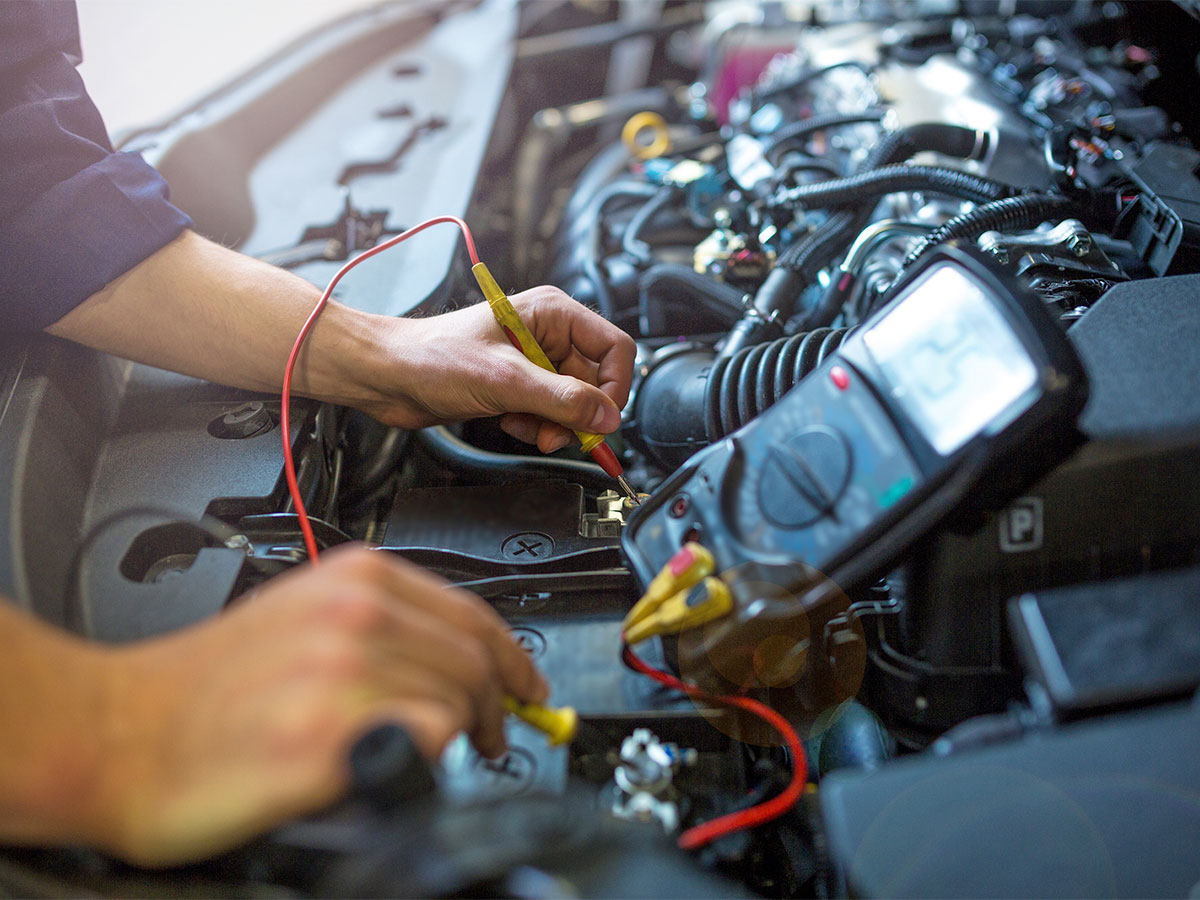
The global shift toward electric vehicles is reshaping the automotive industry, and auto service is evolving alongside it. As electric vehicles become more common, service centers must adapt to new technologies, skills, and customer expectations. The future of auto service in an electric vehicle world is less about mechanical repairs and more about electronics, software, and system optimization.
How Electric Vehicles Are Changing Auto Service
Electric vehicles eliminate many traditional components found in gasoline-powered cars. This transformation significantly alters service requirements and workflows.
Major changes include:
- Fewer moving parts and mechanical wear items
- Greater reliance on electrical and electronic systems
- Increased importance of diagnostics and software management
Auto service is becoming more technical and data-driven than ever before.
Reduced Routine Maintenance Requirements
One of the most notable shifts is the reduction in routine maintenance tasks. Electric vehicles do not require many services associated with internal combustion engines.
Services no longer needed include:
- Oil and filter changes
- Spark plug replacements
- Exhaust system repairs
Instead, service intervals focus on inspections, software checks, and system health monitoring.
Advanced Diagnostics as a Core Service
In an electric vehicle world, diagnostics will become the foundation of auto service. Technicians rely heavily on digital tools to evaluate performance, efficiency, and safety.
Advanced diagnostics support:
- Battery health assessment
- Motor and inverter performance analysis
- Energy consumption optimization
Accurate data interpretation ensures issues are addressed before they impact driving range or reliability.
The Growing Importance of Battery Service
The high-voltage battery is the most valuable and complex component in an electric vehicle. Future auto service will prioritize battery diagnostics, conditioning, and longevity management.
Battery-focused services include:
- State-of-health evaluations
- Thermal management system inspection
- Cell balancing and performance monitoring
Extending battery life will be a primary goal of EV-focused service centers.
Software-Driven Vehicle Maintenance
Software already controls many vehicle functions, and its role will continue to expand. Auto service will increasingly involve updating, recalibrating, and optimizing vehicle software.
Software-based service benefits include:
- Improved driving efficiency and range
- Enhanced safety system accuracy
- Bug fixes and system stability improvements
Auto service professionals will act as both technicians and software specialists.
Expansion of Charging Infrastructure Support
As electric vehicles become mainstream, auto service centers will play a role in charging system support. This includes both vehicle-side and infrastructure-related services.
Future service offerings may include:
- Charging port inspection and repair
- Compatibility testing with charging stations
- Home charger diagnostics and maintenance
Reliable charging access will be essential to customer satisfaction.
New Skill Sets for Auto Technicians
The future of auto service demands a workforce trained in electrical engineering concepts, software diagnostics, and high-voltage safety.
Essential technician skills will include:
- High-voltage system handling
- Digital diagnostics and data analysis
- Continuous education on evolving EV technology
Shops that invest in training will remain competitive as the industry evolves.
Sustainability and Eco-Conscious Service Practices
Electric vehicles align closely with environmental goals, and auto service will follow the same path. Sustainable practices will become standard rather than optional.
Key sustainability trends include:
- Responsible battery recycling and reuse
- Energy-efficient service facilities
- Reduced waste through digital service records
Eco-conscious service models will define future industry standards.
Customer Expectations in an EV-Centered Market
Electric vehicle owners often expect transparency, convenience, and technological expertise from service providers. The future auto service experience will focus on education, efficiency, and trust.
Clear communication about battery health, software updates, and system performance will be essential.
FAQs
Will electric vehicles eliminate the need for auto service?
No, they reduce certain maintenance tasks but still require inspections, diagnostics, and system servicing.
What will be the most common EV service in the future?
Battery health diagnostics and software updates are expected to be among the most frequent services.
Are auto service jobs at risk because of electric vehicles?
Jobs are evolving, not disappearing. New roles require technical and digital skills rather than traditional mechanical work.
Will EV service centers replace traditional repair shops?
Many traditional shops will adapt by investing in EV tools and training rather than being replaced entirely.
How will auto service costs change in an EV-focused future?
Routine maintenance costs may decrease, while specialized services like battery diagnostics may carry higher value.
Will software updates replace physical repairs?
Software updates can resolve many issues, but physical repairs will still be necessary for hardware components.
How can service centers prepare for an electric vehicle future?
By investing in training, diagnostic technology, charging infrastructure, and safety equipment today.
