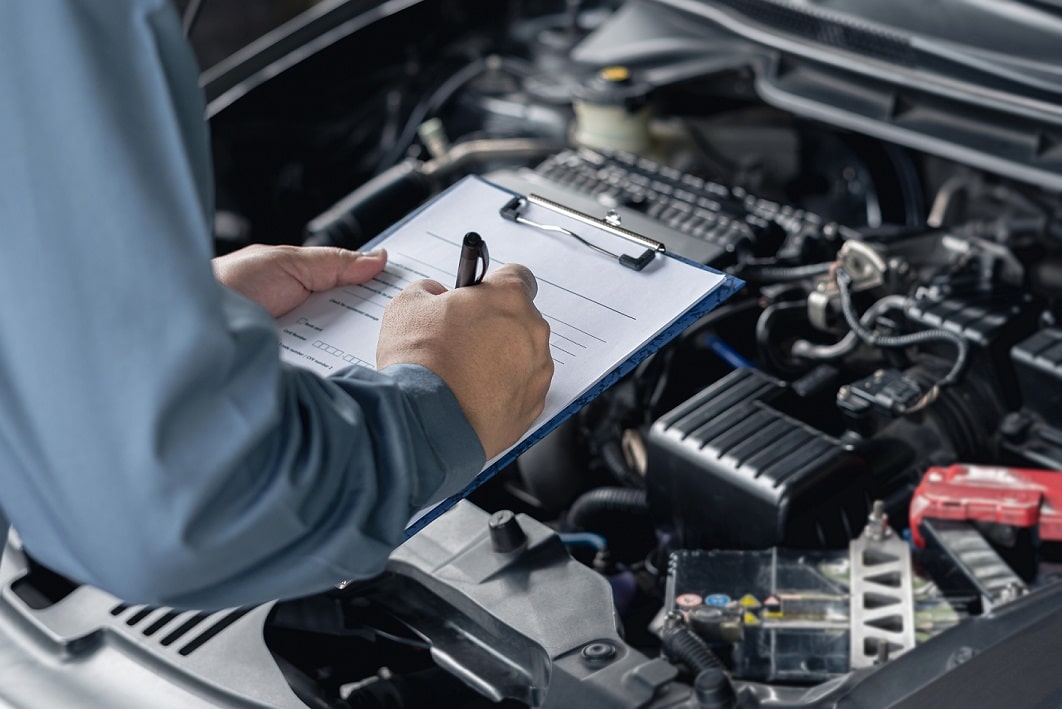
A road trip should be about enjoyment, not unexpected breakdowns. Taking time to complete a pre-trip auto service checklist can significantly reduce the risk of mechanical issues, improve safety, and give you peace of mind on the road. Many problems that occur during long drives are preventable with a simple inspection.
This guide outlines the most important areas every car owner should check before heading out.
Why a Pre-Trip Auto Inspection Is Essential
Long-distance driving puts additional stress on your vehicle. Heat, extended engine run time, and varying road conditions can expose weak points.
A pre-trip inspection helps you:
- Prevent roadside emergencies
- Avoid expensive last-minute repairs
- Improve fuel efficiency and driving comfort
Even well-maintained vehicles benefit from a quick check before extended travel.
Tire Condition and Pressure Check
Tires are your vehicle’s only contact with the road, making them one of the most critical safety components.
Before every road trip, inspect:
- Tire pressure, including the spare
- Tread depth for adequate traction
- Sidewall damage such as cracks or bulges
Properly inflated and balanced tires improve handling, braking, and fuel economy.
Engine Oil and Fluid Levels
Fluids keep your vehicle running smoothly and prevent overheating or component damage.
Essential Fluids to Inspect
Make sure these fluids are clean and at proper levels:
- Engine oil
- Coolant
- Brake fluid
- Transmission fluid
- Power steering fluid
- Windshield washer fluid
Low or dirty fluids can quickly lead to breakdowns during long drives.
Brake System Inspection
Reliable brakes are non-negotiable, especially when driving at highway speeds or in unfamiliar areas.
Check for:
- Unusual noises when braking
- Soft or spongy brake pedal feel
- Warning lights on the dashboard
If anything feels off, have your brakes inspected before traveling.
Battery and Electrical System
A weak battery is one of the most common causes of road trip disruptions.
Before leaving, ensure:
- Battery terminals are clean and secure
- No warning lights are illuminated
- Headlights, brake lights, and turn signals work properly
Electrical reliability is crucial for both safety and navigation.
Belts, Hoses, and Under-the-Hood Inspection
Rubber components deteriorate over time, especially in extreme temperatures.
Look for:
- Cracks or fraying in belts
- Soft or brittle hoses
- Signs of leaks under the hood
Addressing these issues early helps prevent overheating or engine failure.
Windshield, Wipers, and Visibility
Clear visibility is essential for safe driving in changing weather conditions.
Inspect:
- Windshield for cracks or chips
- Wiper blades for streaking or skipping
- Washer system spray coverage
Replacing worn wipers is quick and inexpensive but often overlooked.
Suspension and Steering Feel
While harder to inspect visually, suspension issues often reveal themselves through driving behavior.
Pay attention to:
- Excessive bouncing
- Pulling to one side
- Unusual vibrations
These symptoms may indicate alignment or suspension problems that should be addressed before a long trip.
Emergency Supplies and Safety Equipment
Even with proper preparation, emergencies can still happen.
Carry essential items such as:
- Spare tire, jack, and lug wrench
- Jumper cables
- First aid kit
- Flashlight and reflective warning triangles
- Basic tool kit
Preparedness can make a stressful situation manageable.
When to Schedule a Professional Pre-Trip Inspection
If your vehicle is due for service or you’re unsure about its condition, a professional inspection is a smart move.
Professional checks often include:
- Computer diagnostics
- Brake and suspension evaluation
- Fluid condition analysis
This extra step adds confidence before long-distance travel.
FAQs About Pre-Road Trip Auto Service
How far in advance should I inspect my car before a road trip?
Ideally, inspect your vehicle at least one week before departure to allow time for repairs if needed.
Is a pre-trip inspection necessary for short road trips?
Yes. Even short trips can expose existing issues, especially in extreme weather or heavy traffic.
Should I service my car even if no warning lights are on?
Yes. Many mechanical issues don’t trigger warning lights until damage is advanced.
Do I need to rotate tires before a road trip?
If your rotation is due, doing it before traveling helps ensure even wear and better handling.
Can low tire pressure really cause a breakdown?
Yes. Underinflated tires increase heat buildup and can lead to blowouts on long drives.
Is checking fluids enough, or should I replace them?
Checking levels is essential, but replacement depends on service intervals and fluid condition.
What’s the most commonly overlooked road trip inspection item?
The spare tire is often forgotten, yet it’s critical during emergencies.
