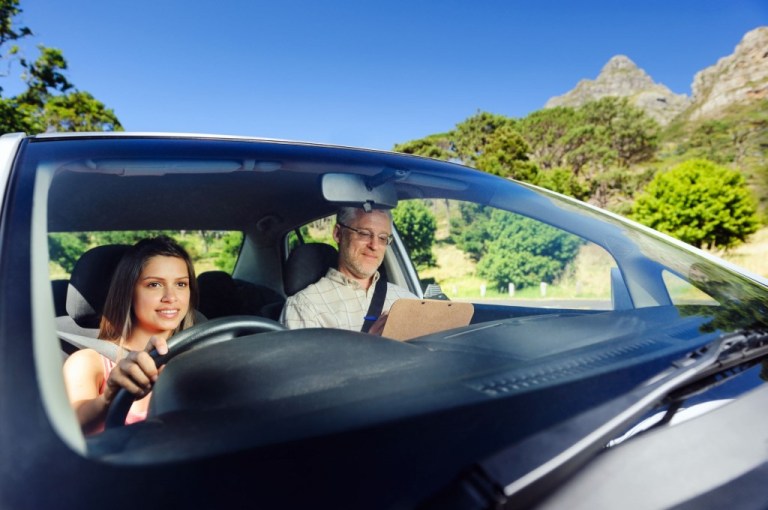
Driving goes far beyond controlling a steering wheel and pressing pedals—it’s a craft shaped by awareness, finesse, and decision-making under pressure. For seasoned drivers, the goal isn’t just to stay safe but to achieve mastery through refined control and predictive awareness. This guide explores advanced driving techniques designed for professionals and enthusiasts who have long moved past the basics and now aim to enhance precision, performance, and adaptability in every environment.
Understanding Vehicle Dynamics on a Deeper Level
An expert driver must understand how a vehicle behaves under different conditions. Vehicle dynamics is the science that governs this behavior—how weight, momentum, and tire grip interact during motion.
The Core Principles of Vehicle Control
1. Weight Transfer
Every acceleration, brake input, or turn causes your car’s weight to shift. When braking, weight moves forward; during acceleration, it shifts rearward. The key to smooth and fast driving is learning to manage this transfer deliberately—applying or easing off pedals with precision to keep all tires balanced for maximum traction.
2. Tire Load Sensitivity
The more weight a tire bears, the less responsive it becomes to lateral movements. Skilled drivers manipulate throttle and brake balance to maintain even tire loads, ensuring consistent grip during cornering or lane changes.
3. Steering Inputs and Slip Angle
The slip angle is the tiny difference between the direction the tire is pointing and where it’s actually going. Managing small slip angles enables faster cornering and greater stability. Professionals often use slight steering corrections mid-corner to maintain optimal control without inducing skids.
Predictive Awareness: Thinking Ahead of the Road
The true mark of an advanced driver lies in anticipation. Reaction time alone doesn’t guarantee safety—anticipation does.
Building Predictive Vision
Instead of focusing on the car immediately ahead, experienced drivers look several vehicles ahead, reading the traffic flow like a moving ecosystem. They analyze movement patterns, road contours, and even environmental signals like reflections or dust movement that hint at potential obstacles.
Strategies to Sharpen Anticipation
-
The 12-Second Vision Rule: Always observe the road 12 seconds ahead to prepare for upcoming curves, merges, or slowdowns.
-
Peripheral Scanning: Don’t fixate on the center lane. Regularly shift your gaze between mirrors, dashboard, and road edges to maintain full situational awareness.
-
Behavioral Prediction: Learn to interpret subtle behaviors—slight swerves, erratic braking, or drifting speeds—as pre-incident signals that demand early adjustments.
Precision Braking: Controlling Momentum with Intent
Braking isn’t simply about slowing down—it’s about transferring weight with finesse. Precision braking determines how smoothly your car transitions between acceleration and cornering phases.
Techniques for Controlled Braking
1. Threshold Braking
This involves applying maximum brake pressure just before tire lock-up. Modern ABS systems assist with this, but mastering manual threshold braking provides superior control, especially in performance driving or emergency stops.
2. Trail Braking
Used primarily in advanced cornering, trail braking means maintaining brake pressure slightly into a turn, allowing the front tires to grip harder and pivot the car’s nose inward. It’s a high-skill technique that enhances corner entry stability and exit acceleration.
3. Left-Foot Braking
In performance and rally driving, left-foot braking balances throttle and brake simultaneously—helping control understeer and improving mid-corner balance. Practicing it on safe, closed roads builds muscle memory without overburdening your braking system.
The Art of Cornering Efficiency
Cornering efficiently isn’t about taking turns faster—it’s about maintaining momentum without losing control.
Advanced Cornering Principles
-
Late Apex Technique: Enter the corner slightly wide and clip the inner apex later than beginners would. This creates a straighter exit path, enabling earlier acceleration.
-
Smooth Inputs: Every steering, throttle, or brake input should be gradual. Sharp inputs disrupt weight balance and cause unpredictable vehicle behavior.
-
Vision Through the Curve: Always look toward the exit, not the apex. Your car follows your eyes—keeping focus ahead allows smoother steering corrections.
Practicing Precision on Different Roads
-
Mountain Roads: Anticipate reduced grip from elevation changes. Use engine braking and maintain steady throttle through turns.
-
Urban Intersections: Focus on pedestrian unpredictability and blind zones near large vehicles.
-
Wet or Uneven Roads: Reduce abrupt inputs; use higher gears to minimize wheelspin and hydroplaning risk.
Mastering Acceleration Control and Throttle Modulation
Throttle control defines how efficiently your car converts engine power into motion. An expert driver treats the accelerator like a pressure-sensitive instrument, not an on-off switch.
Techniques for Smooth Power Delivery
-
Progressive Throttle Application: Apply power smoothly post-apex to avoid overloading the rear tires.
-
Throttle Feathering: Small, controlled throttle adjustments stabilize the car mid-turn, especially on slippery surfaces.
-
Engine Braking: Downshifting strategically uses engine resistance to slow the car, saving brake wear and enhancing control during descents.
Driving Psychology: The Mind Behind the Machine
Expert driving isn’t just physical—it’s psychological. Staying calm, composed, and mentally sharp separates advanced drivers from merely competent ones.
Mental Framework for Professional Driving
-
Focus, Not Tension: Over-concentration causes stiffness. Relaxed awareness keeps reactions fluid and instinctive.
-
Flow State Awareness: Skilled drivers enter a mental “flow” where inputs feel automatic. Achieving this state requires regular, mindful practice.
-
Confidence vs. Overconfidence: Confidence is preparation; overconfidence is assumption. Advanced drivers always respect changing road dynamics, no matter how experienced they are.
Enhancing Control Through Technology and Calibration
Modern vehicles come equipped with driver-assist systems like ESC, ABS, and torque vectoring. While useful, overreliance can dull instincts. The advanced driver knows when to trust technology and when to rely on skill.
Calibration and Customization
-
Adjusting Tire Pressure for Conditions: Slightly lower pressures enhance grip on wet roads; higher pressures improve response on track surfaces.
-
Suspension Tuning: For spirited driving, firmer suspension increases corner stability.
-
Performance Data Analysis: Using onboard telemetry or smartphone apps, analyze your corner speeds, braking points, and throttle percentages to refine technique scientifically.
Emergency Handling and Recovery Skills
Even the best drivers encounter unpredictable scenarios. What separates experts is how they recover.
Essential Maneuvers for Critical Situations
-
Counter-Steering: In a rear-wheel skid, turn your steering wheel toward the direction of the skid to regain traction smoothly.
-
ABS Panic Stops: In an emergency, press the brake firmly and maintain pressure—don’t pump. ABS allows steering control while braking hard.
-
Escape Path Planning: Always visualize a secondary route—shoulder, empty lane, or runoff zone—before a crisis occurs.
Continuous Learning and Track Practice
True driving mastery is never final. Professional drivers continuously refine skills through practice, self-assessment, and exposure to different conditions.
-
Attend advanced driving courses that emphasize precision braking, skid control, and high-speed cornering.
-
Participate in track days to safely test your car’s and your own limits.
-
Review dashcam footage to analyze decision-making and positioning.
FAQs About Advanced Driving Techniques
1. What’s the biggest difference between defensive and advanced driving?
Defensive driving focuses on safety and anticipation, while advanced driving integrates performance techniques and precision control under varying conditions.
2. How can I safely practice advanced braking techniques?
Use an empty parking lot or closed track. Gradually build pressure to learn where your tires begin to lose grip without crossing that threshold.
3. Is trail braking suitable for all cars?
It’s most effective in performance-oriented or balanced vehicles. Heavier front-wheel-drive cars may require milder application to prevent instability.
4. How often should tire pressure be adjusted for optimal handling?
Check before every long drive or track day. Temperature and elevation significantly affect pressure and grip.
5. Does using traction control reduce skill development?
Not necessarily—but turning it off occasionally on safe, controlled surfaces helps you understand vehicle feedback and grip limits better.
6. How can I improve my reaction time while driving?
Focus on predictive awareness rather than pure reflexes. Smooth eye movement, early hazard detection, and mental calmness are key.
7. Is left-foot braking safe for everyday driving?
It’s safe if mastered properly, but initially practice on closed roads. Once comfortable, it can offer smoother transitions and better balance in tight maneuvers.
