Introduction
Vehicle technology is no longer just about engines and horsepower—it’s about intelligence, connectivity, and decision-making. The rise of advanced telematics systems has transformed vehicles into digital ecosystems capable of collecting, processing, and transmitting data in real time. This evolution is enabling fleet optimization, predictive maintenance, autonomous capabilities, and even new business models for automakers. As telematics moves from traditional GPS tracking to integrated data ecosystems, understanding its strategic, operational, and cybersecurity implications becomes crucial for businesses and manufacturers.
Understanding Advanced Vehicle Telematics
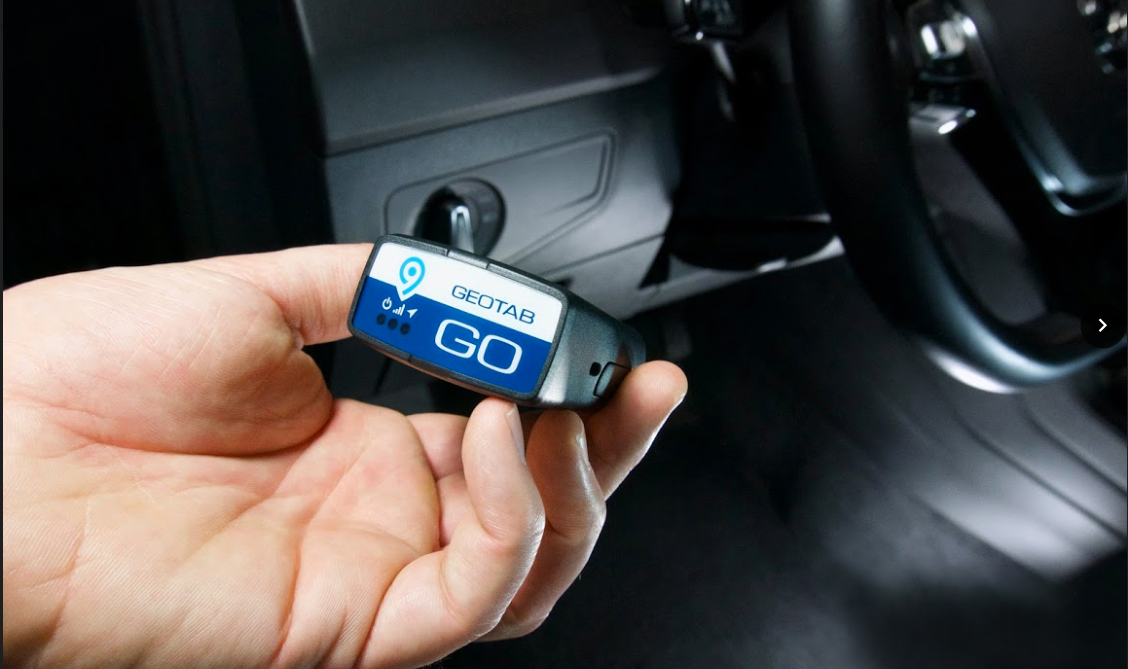
Telematics once meant tracking a vehicle’s position and fuel use. Today, it’s a multi-layered infrastructure combining IoT sensors, cloud computing, artificial intelligence, and mobile communication networks. These systems collect data not just on vehicle performance but also on driver behavior, environmental conditions, and maintenance health. Modern telematics can detect mechanical faults before failure, provide data for insurance pricing, and integrate with autonomous driving algorithms.
Key capabilities include:
-
Predictive diagnostics: Identifying potential failures through sensor data analysis before they lead to costly downtime.
-
Driver performance analytics: Monitoring braking, acceleration, and idling to improve safety and efficiency.
-
Over-the-air updates: Allowing manufacturers to push performance upgrades and security patches remotely.
-
AI-based optimization: Using machine learning models to enhance route efficiency and reduce energy use.
The Role of Telematics in Autonomous and Connected Vehicles
Telematics acts as the digital nervous system for connected and autonomous vehicles. Self-driving cars rely on ultra-low-latency communication between vehicle systems, cloud servers, and nearby infrastructure. Data from telematics systems feeds into decision-making algorithms, enabling situational awareness and predictive control.
For instance, a connected truck fleet can exchange information about traffic, road hazards, and weather in real time—allowing each vehicle to adjust routes dynamically. This vehicle-to-everything (V2X) communication is central to developing fully autonomous logistics networks. The future of vehicle telematics lies in integrating 5G, edge computing, and AI-driven data orchestration to enable these intelligent transport systems.
Beyond Fleet Management: Strategic Business Impact
While telematics initially gained popularity for fleet tracking, its business impact now extends far beyond operational management. Data collected from vehicles is reshaping entire business models across industries.
1. Predictive Maintenance and Downtime Reduction
Fleet operators are moving from reactive maintenance (fixing issues after failure) to predictive strategies that leverage telematics data. Vibration sensors, engine temperature logs, and oil pressure trends help identify wear patterns early. By analyzing this data, maintenance schedules can be dynamically adjusted—preventing breakdowns, extending vehicle life, and optimizing parts inventory.
2. Data-Driven Insurance and Risk Assessment
Telematics has given rise to usage-based insurance (UBI), where premiums are calculated on actual driving behavior rather than static demographics. Insurers use telematics data to evaluate risk, reward safe drivers, and discourage aggressive driving habits. This model benefits both the insurer and the policyholder through cost transparency and accountability.
3. Regulatory Compliance and Safety Monitoring
With tightening regulations on emissions, driver hours, and vehicle safety, telematics offers automated compliance management. Systems automatically record driving time, monitor speed limits, and log emissions data, ensuring operators meet local and international standards. Compliance reports generated from telematics platforms reduce administrative effort and increase legal reliability.
4. Sustainability and Energy Optimization
Telematics contributes significantly to environmental goals. By optimizing routes, reducing idle time, and monitoring energy consumption in electric fleets, organizations can lower fuel costs and carbon emissions. Some platforms integrate EV telematics, which track battery health, charging cycles, and regenerative braking efficiency—helping operators transition smoothly to electric mobility.
Technical Innovations Powering Modern Telematics
The evolution of vehicle telematics has been driven by rapid advances in several core technologies.
Cloud and Edge Computing
Cloud platforms process massive amounts of vehicle data for analytics, while edge computing ensures real-time responsiveness for safety-critical functions. This hybrid model balances computational efficiency with latency reduction.
Artificial Intelligence and Machine Learning
Machine learning models analyze telemetry data to detect anomalies, predict failures, and even assess driver behavior in real time. AI-driven route planning algorithms also learn from traffic patterns and weather data to continually improve trip efficiency.
5G and Low-Latency Networks
The rollout of 5G is a game-changer for telematics. Its high-speed, low-latency connections allow vehicles to communicate seamlessly with other vehicles, infrastructure, and control centers. This communication backbone supports autonomous coordination, such as collision avoidance and dynamic traffic management.
Blockchain for Data Integrity
As data becomes the core of telematics operations, blockchain technology offers secure, transparent, and tamper-proof data sharing between stakeholders. Manufacturers, fleet owners, insurers, and regulators can all access verified vehicle data without risking manipulation.
Security and Privacy in Telematics Ecosystems
The integration of telematics systems introduces significant cybersecurity challenges. Every connected component—sensor, mobile app, or cloud server—can become a potential attack vector. Hackers could exploit weak encryption to intercept location data, or even attempt remote control of vehicle functions.
To mitigate these risks, manufacturers and operators must implement:
-
End-to-end encryption for all telematics communications.
-
Secure hardware modules (HSMs) for data authentication.
-
Regular firmware updates to patch vulnerabilities.
-
Data anonymization to comply with privacy laws like GDPR and CCPA.
Building a zero-trust architecture where every device and user must continuously verify identity is becoming the standard approach for protecting telematics ecosystems.
Monetizing Telematics Data
Beyond operational gains, telematics opens the door to entirely new revenue streams. Automakers can monetize vehicle data by offering predictive analytics services, maintenance subscriptions, or API access to third-party developers. Fleet operators, on the other hand, can license anonymized data for urban planning or environmental research.
The key is data contextualization—transforming raw telemetry into actionable insights. Companies that succeed in extracting value while maintaining privacy will lead the next wave of intelligent mobility solutions.
Future Outlook: Telematics as the Core of Vehicle Intelligence
As vehicles transition into software-defined machines, telematics will be the connective tissue linking all digital layers—hardware, cloud, AI, and driver interfaces. By 2030, most vehicles will function as data hubs, continuously exchanging insights with cities, utilities, and other vehicles.
We are approaching an era where telematics will evolve into autonomous ecosystems, capable of learning, self-correcting, and collaborating with external systems to optimize transport efficiency and safety. The future of mobility depends not only on mechanical performance but on how effectively we manage, secure, and interpret the data flowing through these connected machines.
FAQs
1. What differentiates modern telematics from traditional vehicle tracking?
Modern telematics includes predictive maintenance, AI analytics, and V2X communication, while traditional systems only provided GPS tracking and fuel monitoring.
2. How does telematics improve fleet sustainability?
It optimizes routes, reduces idle time, and provides energy analytics for electric fleets, lowering carbon emissions and fuel costs.
3. Are telematics systems mandatory for commercial fleets?
In many regions, regulations now require electronic logging devices (ELDs) for tracking driving hours and compliance, making telematics essential.
4. What are the biggest cybersecurity threats to telematics networks?
Data interception, unauthorized remote access, and malware injection into vehicle systems are the most common threats.
5. How does 5G impact telematics performance?
5G enables near-instant communication between vehicles and infrastructure, enhancing safety systems and supporting autonomous operations.
6. Can telematics data be used in court or insurance disputes?
Yes, verified telematics data can serve as legal evidence in accident claims, insurance disputes, or compliance investigations.
7. What’s the next big advancement in telematics technology?
The next major leap will be AI-driven autonomous telematics, where vehicles autonomously diagnose, optimize, and coordinate within intelligent mobility networks.
